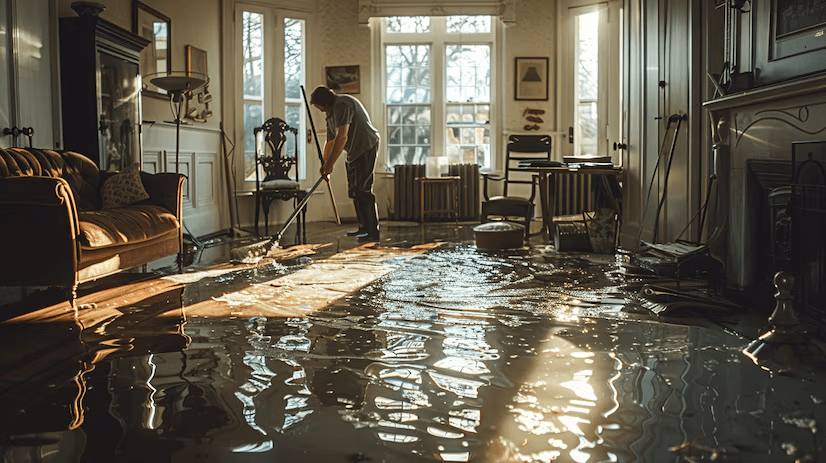
Flooding can happen unexpectedly, and it can leave behind devastating effects on homes and businesses alike. Once the waters recede, the real challenges begin as property owners face the task of restoring their spaces. Effective flood restoration hinges on timely and efficient strategies to minimize damage. Understanding how to act quickly and appropriately can protect belongings and reduce the risk of long-term issues such as mold growth and structural damage. In this blog, we will explore various methods that property owners can utilize to minimize damage during flood restoration, as well as the importance of scheduling professional help with qualified services like Schedule flood damage restoration with power dry.
Assessing the Situation
Before diving into any restoration efforts, the first step is to assess the situation thoroughly. Identify the extent of flooding and the type of water involved—clean water, greywater, or black water. Clean water is safe but still requires prompt attention, while greywater may contain contaminants that necessitate caution. Blackwater, which comes from sewage or floodwaters, poses significant health risks, and it’s advisable to leave restoration to professionals.
Assess structural damage by examining walls, ceilings, floors, and foundations. If any electrical systems were affected, especially those that may have come into contact with water, ensure these are shut off before beginning any clean-up efforts. Taking stock of damaged materials, including furniture, appliances, and sentimental items, will provide a clear picture of what needs to be addressed.
Removal of Water
Once the assessment is complete, one of the most critical steps is the removal of water. The longer items remain in contact with water, the more severe the damage becomes. Start by using buckets to dispose of standing water and then employ pumps or wet vacuums to expedite the process. If the flooding is extensive, consider renting professional water extraction equipment.
It’s essential to wear protective gear during this phase, particularly if dealing with contaminated water. Don’t forget to ventilate the area as much as possible, as this can accelerate evaporation. Open windows and doors, and, if available, use fans and dehumidifiers to help dry the space. The goal is to remove moisture to prevent mold growth, which can begin within 24 to 48 hours of flooding.
Salvaging Belongings
After the water is removed, you can start salvaging belongings. Focus on items that were partially submerged. For furniture, remove any cushions and pillows, thoroughly clean and dry all surfaces, and check for signs of damage. Metal items should be dried immediately to prevent rust. For clothing, wash and dry them as soon as possible, and consider using a mixture of baking soda and vinegar to help remove odors.
Sentimental items like photographs or important documents can often be restored if treated quickly. Freezing damaged photos can prevent further deterioration until a proper restoration technique can be applied. Books can also be salvaged by air-drying them with the pages fanned out.
Cleaning and Sanitizing
Once you’ve rescued and dried your belongings, the next step is cleaning and sanitization. This is particularly crucial in areas affected by greywater or black water. Use cleaning agents that are specifically designed for water damage and apply them to all surfaces that encounter moisture. This includes walls, floors, and furniture, as well as any appliances that may have been impacted.
Don’t forget about HVAC systems, either. Ducts and filters should be cleaned and sanitized to prevent the circulation of contaminants once the system is back up and running. Investing time in thorough cleaning will not only help restore the property but also reduce harmful health risks that arise from dirty water.
Mold Prevention
Mold is a significant concern following flood damage. To minimize the potential for mold growth, it’s vital to keep the affected areas as dry as possible. Even small amounts of moisture can lead to mold issues down the line. Ensure adequate airflow in your property by continuing to run dehumidifiers and fans even after the visible moisture has evaporated.
Consider applying mold-resistant treatments to affected areas, especially in hidden spaces such as basements and attics where moisture can linger unseen. If mold is found, use specialized mold removal techniques or consult professionals for guidance. Early intervention is key, as once mold takes hold, it can be more challenging and costly to remove.
Engaging Professional Help
Although the steps mentioned can be undertaken by homeowners, engaging professional restoration services can greatly enhance the effectiveness of the restoration process. “Schedule Flood Damage Restoration with Power Dry” to take advantage of their expertise and specialized equipment. They have teams trained to assess damage, remove water, mitigate mold, and restore property efficiently. Professionals can also save valuable time and effort that can be better spent on other vital tasks, such as addressing family needs during this stressful time.
Professional restorers also understand the insurance claims process, which can alleviate some of the burdens during recovery. They can help prepare necessary documentation, ensuring that eligible claims are filed promptly and accurately. Their guidance can make a significant difference in the financial and emotional burden that flooding can leave behind.
Protecting Against Future Floods
Once the immediate restoration efforts are done, it’s crucial to take steps to protect your property from future flooding. This may involve landscape alterations to redirect water away from the home, installing sump pumps or drainage systems, and ensuring that gutters and downspouts are functioning correctly. Regular property maintenance, from cleaning gutters to checking for leaks, can help identify potential problems before they morph into larger issues.
Insurance coverage is another factor to examine. Ensure your homeowners’ insurance provides adequate coverage for flood damage, as many standard policies do not. Depending on your area’s risk, consider additional flood insurance for peace of mind.
Conclusion
Flood restoration is a challenging process that demands quick action and thorough planning. By assessing the situation, removing water, salvaging belongings, cleaning and sanitizing, preventing mold, and engaging professional help, property owners can significantly minimize damage during the restoration process. Moreover, implementing protective measures for the future can safeguard properties against additional flooding risks. Remember that while immediate restoration can be done by homeowners, enlisting professional help when needed is a beneficial investment in ensuring a comprehensive recovery.

 House Specialist
Leave a comment